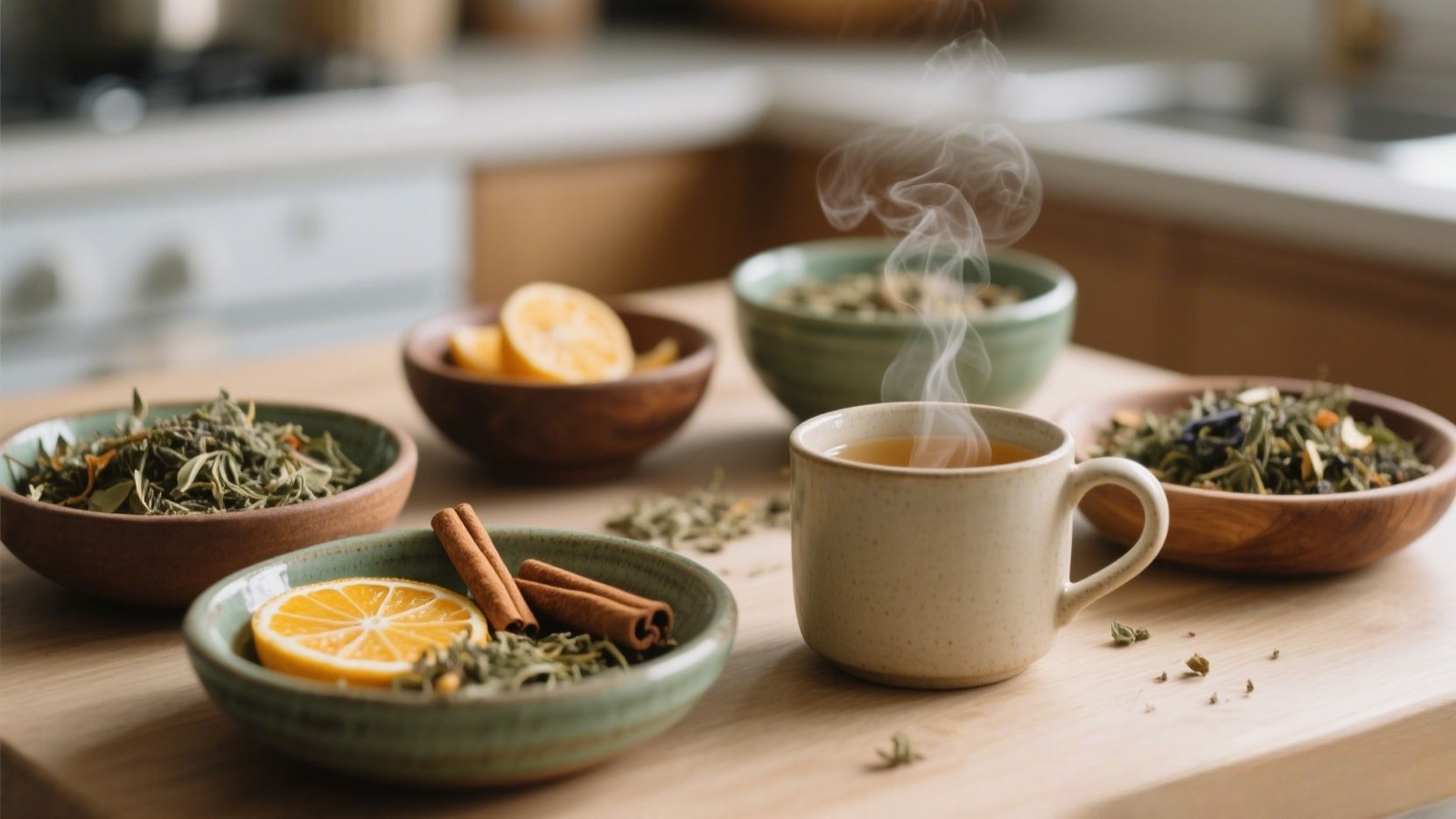

Joint pain and osteoarthritis affect millions worldwide, causing stiffness, swelling, and discomfort that can limit daily activities. While modern medicine offers solutions, many cultures have relied on natural remedies for centuries to ease inflammation and promote joint health. These all-natural options use simple, accessible ingredients with anti-inflammatory and analgesic properties.
Important Note: These remedies are traditional and supported by some studies, but they are not substitutes for medical treatment. Always consult a healthcare professional before trying new remedies, especially if you have conditions or take medications.
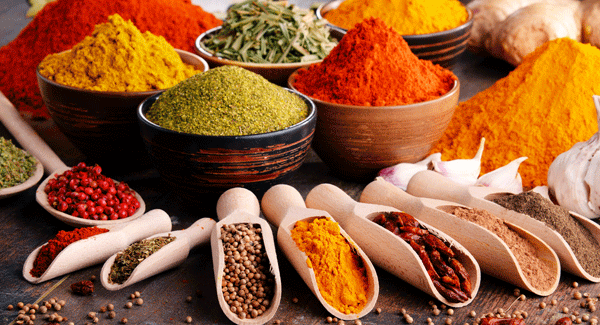
Here are 10 DIY remedies from diverse cultural traditions:
1. Turmeric Golden Milk (Ayurvedic Tradition, India)
History: Turmeric has been a cornerstone of Ayurvedic medicine for over 4,000 years, valued for its anti-inflammatory effects in treating joint issues.
Benefits: Curcumin blocks inflammatory pathways similar to some NSAIDs, reducing pain and stiffness in osteoarthritis.
Recipe:
- 1 cup milk (dairy or plant-based)
- 1 tsp turmeric powder
- ½ tsp black pepper (enhances absorption)
- Optional: pinch of ginger, honey for taste
How to Use: Simmer ingredients for 10 minutes. Drink 1–2 cups daily.
Storage: Prepare fresh; store any leftover in fridge up to 2 days.
2. Ginger Compress or Tea (Traditional Chinese Medicine)
History: Ginger has been used in TCM for millennia to warm the body and reduce pain from “cold” conditions like arthritis.
Benefits: Gingerols provide anti-inflammatory relief comparable to ibuprofen for joint pain.
Recipe for Tea:
- 1-inch fresh ginger, sliced
- 2 cups water
- Honey/lemon optional
How to Use: Boil ginger in water 10–15 minutes. Drink 2–3 cups daily. For compress: Soak cloth in hot tea, apply to joints 15–20 minutes.
Storage: Fresh ginger in fridge up to 3 weeks; prepared tea up to 2 days refrigerated.
3. Epsom Salt Bath (Western Folk Remedy)
History: Epsom salts gained popularity in 17th-century England for muscle and joint relief through magnesium absorption.
Benefits: Magnesium relaxes muscles and reduces inflammation; warmth improves circulation.
Recipe:
- 2 cups Epsom salts
- Warm bath water
How to Use: Dissolve salts in bath, soak 20–30 minutes, 2–3 times weekly.
Storage: Keep dry salts in airtight container indefinitely.
4. Tart Cherry Juice (Modern/North American Tradition)
History: Native Americans used cherries for pain; recent studies highlight tart varieties for gout and arthritis.
Benefits: Anthocyanins lower uric acid and inflammation, reducing flares.
Recipe: Use 100% tart cherry juice (no added sugar).
How to Use: Drink 8–12 oz daily.
Storage: Refrigerate opened bottle up to 1 week.
5. Boswellia (Frankincense) Tea or Supplement (Ayurvedic/Ancient Middle Eastern)
History: Frankincense resin has been used in Ayurveda and ancient medicine for inflammatory conditions.
Benefits: Boswellic acids inhibit inflammatory enzymes, improving joint function.
Recipe for Tea:
- 1 tsp boswellia resin powder
- 1 cup hot water
How to Use: Steep 10 minutes, drink 1–2 cups daily (or use capsules as directed).
Storage: Resin/powder in cool, dark place up to 1 year.
6. Capsaicin Cream (From Cayenne Pepper, Global Folk Use)
History: Chili peppers used topically in many cultures for pain relief.
Benefits: Capsaicin depletes substance P, numbing pain signals for arthritis.
Recipe:
- ¼ tsp cayenne powder
- ½ cup carrier oil (coconut/olive)
How to Use: Mix, apply sparingly to joints 2–4 times daily (wash hands thoroughly).
Storage: In dark glass jar, fridge up to 1 month.
7. Willow Bark Tea (Ancient European/Greek)
History: Hippocrates prescribed willow for pain; precursor to aspirin.
Benefits: Salicin converts to salicylic acid, reducing pain and inflammation.
Recipe:
- 1–2 tsp dried willow bark
- 1 cup hot water
How to Use: Steep 10–15 minutes, drink 1–2 cups daily (avoid if aspirin-allergic).
Storage: Dried bark in airtight container up to 1 year.
8. Eucalyptus Oil Massage (Australian Aboriginal Tradition)
History: Aboriginal peoples used eucalyptus leaves for wounds and pain relief.
Benefits: Eucalyptol provides cooling, anti-inflammatory effects.
Recipe:
- 5–10 drops eucalyptus essential oil
- 2 tbsp carrier oil
How to Use: Massage into joints 2–3 times daily.
Storage: Oil blend in dark bottle, cool place up to 6 months.

9. Aloe Vera Gel Application (Ancient Egyptian/Global)
History: Called “plant of immortality” in ancient Egypt; used for inflammation.
Benefits: Compounds reduce swelling and soothe joints.
Recipe: Pure aloe vera gel from leaf or store-bought.
How to Use: Apply fresh gel to joints 2–3 times daily; or drink 2–4 oz juice.
Storage: Fresh leaf in fridge up to 1 week; gel up to 2 weeks.
10. Pineapple Bromelain Smoothie (Tropical Traditions)
History: Pineapple used in South American folk medicine; bromelain studied modernly.
Benefits: Bromelain enzymes reduce inflammation and pain.
Recipe:
- 1 cup fresh pineapple chunks
- 1 banana, yogurt/milk for smoothie
How to Use: Eat fresh pineapple or blend daily (or take bromelain supplements).
Storage: Fresh pineapple cut pieces in fridge up to 5 days.
These remedies draw from ancient wisdom and offer gentle, natural support for joint health. Combine with exercise, diet, and professional care for best results. Stay consistent and listen to your body!