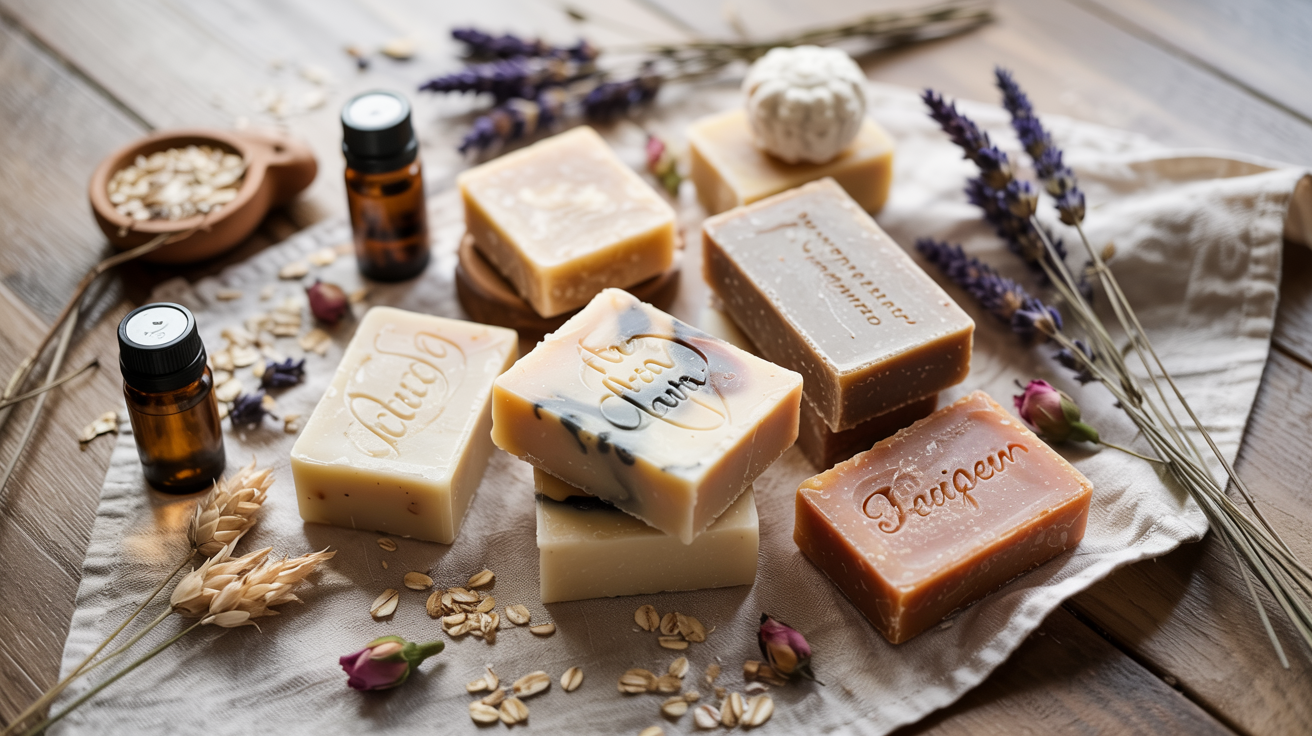
Homemade soap making is one of those rare creative pursuits that sits at the intersection of self-care, artistry, and opportunity. Whether you’re drawn to it as a relaxing hobby, a way to reduce harsh chemicals in your daily routine, or a potential small business idea, soap making offers flexibility, creativity, and purpose.
This guide is designed to give you a clear, inspiring overview—without drowning you in formulas or technical jargon. Think of it as your starting point, a way to understand what’s possible before deciding how far you want to take it.
Why Soap Making Appeals to So Many People
Soap is something we all use, every day. When you make it yourself, it becomes more than a basic necessity—it becomes intentional. You choose the ingredients, the scents, the colors, and the purpose. For many, soap making begins as curiosity and grows into confidence.
It’s also one of the most accessible creative hobbies. You can start small, learn at your own pace, and decide later whether it stays a personal ritual or evolves into something you share with others.
Types of Soaps You Can Make
Understanding the different styles of soap making helps you choose the path that fits your lifestyle and goals.
Melt and Pour Soap
This is the most beginner-friendly option. You work with a pre-made soap base that you melt, customize, and pour into molds. It’s ideal for learning scent blending, color design, and presentation.
Cold Process Soap
This method involves creating soap from scratch using oils and lye. It allows for complete control over ingredients but requires more precision and safety knowledge.
Hot Process Soap
Similar to cold process, but the soap is cooked to speed up the process. It has a more rustic look and a faster turnaround.
Liquid Soap
A more advanced method that uses different chemistry and tools, often pursued once someone has experience with bar soaps.
Many people start with melt and pour and move forward only if they feel called to do so.
How Do You Know What to Mix?
Soap making is part creativity, part structure. Every soap begins with a base and is enhanced with add-ins. When you’re starting out, the most important rule is simple: follow trusted recipes and guidelines.
For beginner-friendly methods, the base is already balanced, allowing you to focus on scent, color, and texture. As experience grows, so does confidence in understanding how ingredients work together.
Adding Scent and Making Soap Beautiful
This is where soap making becomes personal.
Scent options include:
- Essential oils for natural aromas
- Fragrance oils designed specifically for soap making
Ways to enhance appearance:
- Natural clays or charcoal for earthy tones
- Soap-safe colorants or mica powders
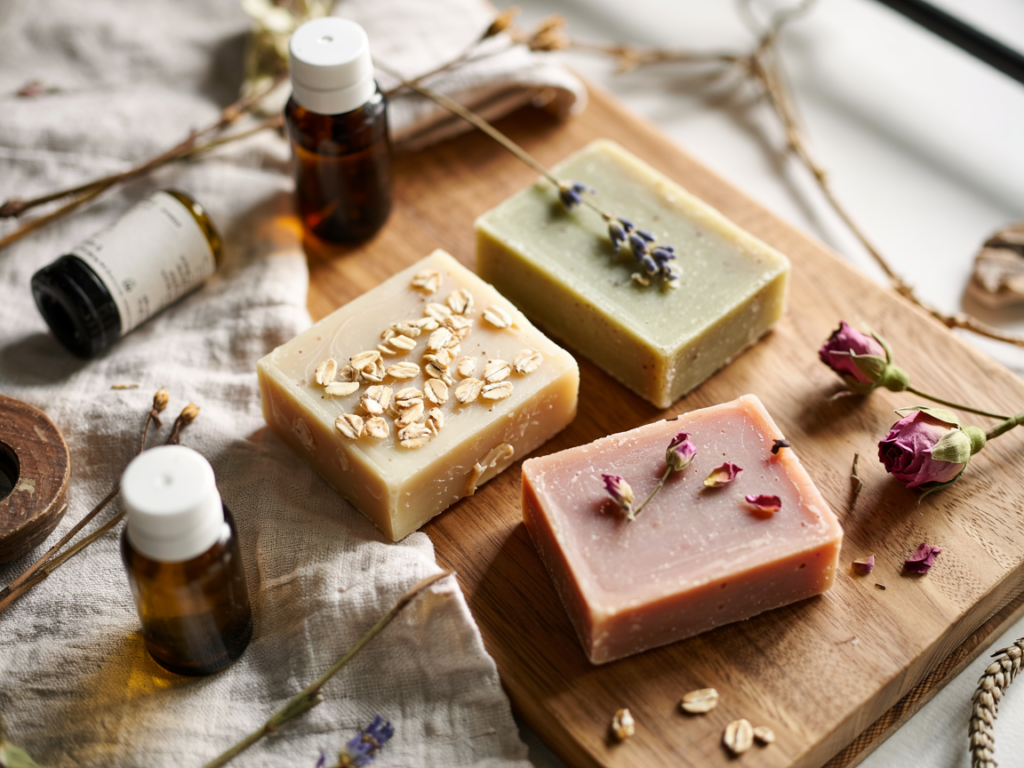
- Dried botanicals like oats, calendula, or rose petals
- Simple swirls, layers, or textured tops
The goal isn’t perfection—it’s expression. Each bar tells a story.
Wrapping, Storing, and Gifting Your Soaps
Once your soaps are made, how you store and present them matters.
Store soaps in a cool, dry place with airflow to maintain quality. For gifting or selling, simple packaging often works best:
- Kraft paper with twine
- Wax or parchment paper
- Minimalist soap boxes
- Fabric wraps for eco-friendly appeal
If you plan to sell, labeling becomes important. Clear ingredient lists and basic product information help build trust.
Basic Tools to Get Started
You don’t need much to begin. Most beginners start with:
- Heat-safe bowls or pitchers
- Silicone spatulas
- Soap molds
- Measuring tools
- Rubbing alcohol to remove bubbles
Many of these items may already be in your kitchen.
Must-Have Tools as You Grow
As interest deepens, these tools make the process smoother:
- Digital kitchen scale
- Thermometer
- Silicone loaf molds
- Soap cutter
- Safety gloves and goggles
These upgrades improve consistency and efficiency.
Items Worth Investing More In
If you’re considering selling your soaps, quality matters. Investments often include:
- Premium fragrance oils
- Durable molds
- Professional packaging
- Label printing supplies
- Bulk ingredients
These elevate both the product and the brand experience.
What Can You Do With Homemade Soap?
Homemade soap is surprisingly versatile:
- Daily personal use
- Thoughtful handmade gifts
- Event favors
- Self-care bundles
- Fundraisers
- Small business offerings
It’s practical, personal, and always appreciated.
Where Can You Sell Homemade Soap?
Many soap makers start small and local before expanding:
- Craft fairs and markets
- Online marketplaces
- Social media shops
- Boutique gift stores
- Personal websites
Selling soap often grows organically—one bar at a time.
A Simple Beginner Soap Recipe
For those curious but not ready to dive deep, melt-and-pour soap offers a gentle entry point:
- Melt a pre-made soap base
- Add scent and optional color
- Pour into molds
- Allow to cool and harden
It’s simple, satisfying, and confidence-building.
Using Social Media to Share Your Soaps
Social platforms are powerful for inspiration and connection. Popular choices include Instagram, Pinterest, Facebook, and TikTok.
A simple starting idea:
Share a short video showing the transformation—from raw materials to finished bars. People love seeing the process, even in its simplest form.
Homemade soap making can be whatever you need it to be. A calming creative outlet. A way to reduce chemicals in your home. A meaningful gift. Or the seed of a small business built with intention.
You don’t have to decide everything at once. Start where you are. Learn what you love. Let the process guide you.
Sometimes the simplest creations lead to the most fulfilling paths—and soap making is proof that clean beauty and creativity can go hand in hand.