Healing Oils in the Bible: Why Myrrh Was Used for the Body (and What That Still Teaches Us)
Myrrh is one of those biblical words people recognize instantly, yet most couldn’t tell you what it is, where it comes from, or why it appears in both worship and daily life.
It shows up at the beginning of Jesus’ earthly life, and again at the end. It’s present in preparation, in suffering, and in burial. That alone signals something important: myrrh wasn’t a decorative “nice-to-have.” It was a serious substance used with intention.
And here’s the part most people get wrong: biblical oils were not treated like modern “quick fixes.” They weren’t used as instant cures, and they weren’t used for vanity. They were used as part of a slower, embodied kind of care—because the body was understood as something to be tended, not punished.
WHAT IS MYRRH, AND WHERE DOES IT COME FROM?
Myrrh is a resin. It comes from small trees in the Commiphora family (often associated with regions of Northeast Africa and the Arabian Peninsula). The tree is cut, and the sap “bleeds” out. That sap hardens into aromatic, amber-brown resin tears.
That origin matters symbolically and practically:
Symbolically, myrrh comes from a wound in the bark—something valuable formed through a controlled “opening.”
Practically, resin was prized in the ancient world because it stores well, travels well, and can be used in multiple ways: perfuming, cleansing, ritual preparation, and bodily anointing.
WHY MYRRH MATTERED IN BIBLICAL LIFE
- MYRRH WAS ASSOCIATED WITH SACRED PREPARATION
In Scripture, myrrh is connected with preparation and fragrance—often linked with love, devotion, and sacred setting. It appears in poetic imagery and beauty language, especially in Song of Songs (for example, Song of Solomon 1:13; 3:6; 4:6; 4:14).
This doesn’t mean “beauty is the point.” It means care and fragrance were culturally connected to honor, welcome, and reverence.
- MYRRH WAS USED IN BODY PREPARATION AND PURIFICATION
One of the clearest “body-care” references is in Esther. Before women were presented to the king, they went through months of preparation that included oils and aromatic treatments: “six months with oil of myrrh” (Esther 2:12).
That verse isn’t a skincare tutorial. It’s a window into ancient practice: myrrh was used in long-term grooming and preparation—slow, consistent, and ritualized.
- MYRRH APPEARS IN THE GIFTS BROUGHT TO JESUS
When the Magi brought gifts—gold, frankincense, and myrrh (Matthew 2:11)—myrrh wasn’t random. It was valuable, and it carried meaning. Christian tradition has long read these gifts symbolically: gold for kingship, frankincense for worship, and myrrh pointing toward mortality and burial.
That leads to the next point.
- MYRRH WAS CONNECTED TO SUFFERING AND BURIAL
Myrrh is specifically connected to the crucifixion and burial accounts.
Mark records that Jesus was offered wine mixed with myrrh (Mark 15:23).
John records that Nicodemus brought a mixture of myrrh and aloes used in burial preparation (John 19:39).
This is the thread people don’t expect: myrrh appears not only in “pleasant” contexts, but in the hardest ones. It belonged to the world of real bodies—bodies that sweat, ache, bleed, and eventually die. Scripture doesn’t pretend the body is irrelevant. It treats the body as part of the human story.
SO WHAT DID MYRRH DO FOR THE BODY (WITHOUT THE HYPE)?
Ancient people used resins like myrrh because they are strongly aromatic and were traditionally valued for cleansing and preserving properties in practical life (especially before modern sanitation and refrigeration). In broad, non-medical terms, myrrh has historically been used in:
Aromatic care (fragrance, atmosphere, ritual setting)
Skin and grooming rituals (oils, perfumes, long preparation)
Mouth and body hygiene traditions (myrrh appears in historical oral-care traditions)
Burial preparation (aroma + preservation customs)
Important note: this is historical and traditional context. It is not a claim that myrrh “treats” disease. In modern life, myrrh should be approached as a concentrated resin/essential oil with respect.
WHY DID THEY APPLY IT “BEFORE HARDSHIP” OR “DURING ILLNESS”?
Because oil in the biblical world often signaled three things:
- PREPARATION
Oil was used to prepare the body for what was ahead—work, ceremony, travel, or trial. The point wasn’t to control outcomes. It was to enter seasons intentionally. - COMFORT
Aromatic substances can be grounding. Even today, scent is closely tied to memory and nervous-system response. In plain terms: calming aromas can help people feel steadier. Not because it’s magic, but because humans are embodied creatures. - HONOR
Anointing was a way of honoring a person: welcoming them, caring for them, or preparing them for burial. It was a language of dignity.
HOW TO USE MYRRH TODAY (SAFE, PRACTICAL, NON-CRINGE)
If you want to incorporate myrrh in a BeautyGenX-friendly way, keep it real and safe.
- FOR A “RESTORE” RITUAL (AROMA ONLY)
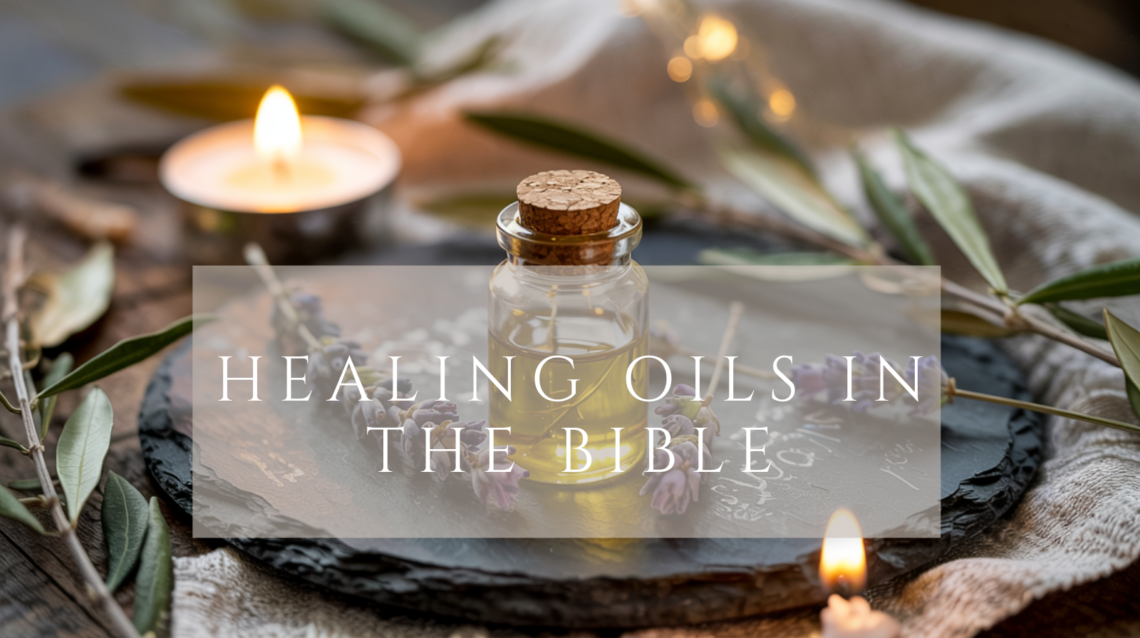
Add a few drops of myrrh essential oil to a diffuser, ideally blended with something softer like lavender or sweet orange. Myrrh can smell deep, resinous, and intense on its own.
Use this for: quiet time, journaling, prayer, evening wind-down.
- FOR SKIN USE (DILUTION ONLY)
Do not apply undiluted essential oils to skin.
General guidance many aromatherapy educators use: start around 1% dilution (about 1 drop essential oil per teaspoon of carrier oil), and patch test first. Carrier oils can include jojoba, fractionated coconut, olive oil, etc.
Use this for: a small “anointing” touchpoint (wrists, back of neck) rather than slathering like lotion.
- FOR A BIBLICAL-STYLE ANOINTING MOMENT (INTENTIONAL, NOT PERFORMATIVE)
This is where BeautyGenX can bridge into Asking Him’s audience gracefully.
A simple practice: place a small amount of diluted oil on fingertips, and apply lightly to hands or temples as a physical reminder of intention—peace, discipline, restoration, healing prayer (without claiming it replaces medical care).
CAUTIONS (THIS BUILDS TRUST)
Myrrh essential oil is potent. If pregnant, breastfeeding, managing a chronic condition, or taking medications, it’s wise to consult a qualified professional before using essential oils. Keep it away from eyes and sensitive areas. Patch test. Keep away from children and pets unless you’ve researched safety guidelines.
A FINAL THOUGHT THAT MAKES YOU THINK
Myrrh is not trendy. It’s ancient. It doesn’t promise shortcuts. It signals something slower and more demanding: care with intention.
In Scripture, myrrh shows up in preparation, worship, suffering, and burial. That range tells the truth about life: the body is not a project to shame. It’s part of the human story God is willing to enter.
And that might be the most “New Year” message of all:
Not punishment.
Not extremes.
Restoration—one faithful practice at a time.
SCRIPTURE REFERENCES IN THIS ARTICLE:
Song of Solomon: 1:13; 3:6; 4:6; 4:14
Esther 2:12
Matthew 2:11
Mark 15:23
John 19:39