
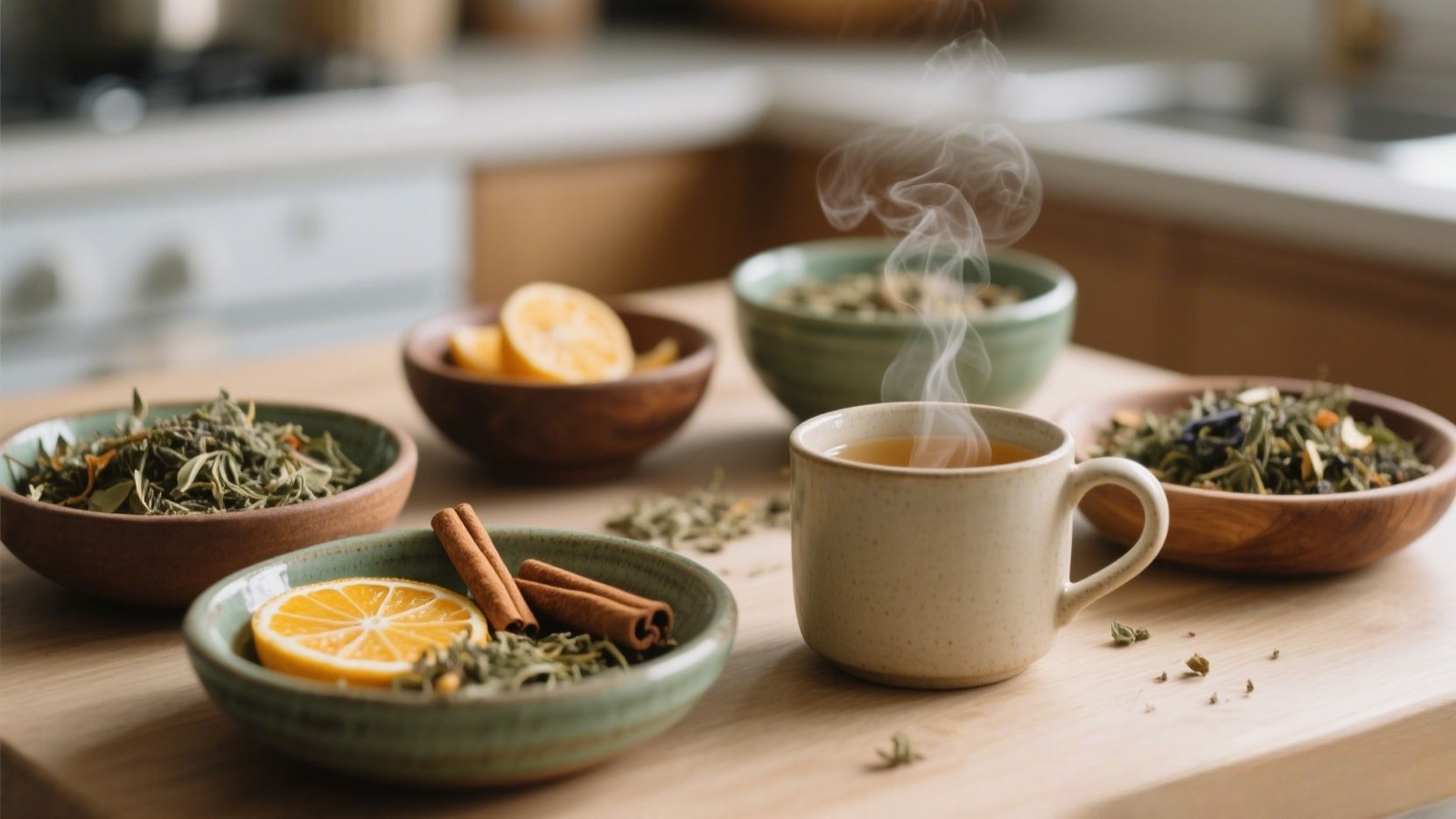
When a cold settles in, it doesn’t just affect the body — it disrupts sleep, breathing, focus, and daily life. For many families, access to healthcare or medication isn’t always immediate or affordable. In those moments, people turn to what has sustained communities for centuries: herbal remedies, especially tea.
This list is not about curing illness or replacing medical care.
It is about relief, support, and comfort — easing congestion, calming irritated throats, supporting the lungs, and helping the body recover gently.
These are 15 herbal teas specifically suited for cold symptoms — many of which are rarely mentioned, despite their long-standing use.
1. Mullein Leaf
Supports: Chest congestion, cough, irritated lungs
Mullein is one of the most effective herbs for respiratory discomfort. It helps loosen mucus and soothe inflamed airways, making breathing easier during colds.
- Can it be grown at home? Yes (easy to grow outdoors)
2. Marshmallow Root
Supports: Scratchy throat, dry cough, inflamed tonsils
This tea coats irritated tissues, offering immediate relief for sore throats and dry winter coughs.
- Can it be grown at home? Yes (requires patience and space)
3. Licorice Root
Supports: Throat pain, bronchial irritation, immune support
Licorice naturally reduces inflammation and soothes coughing. It’s especially helpful when the throat feels raw.
- Can it be grown at home? Possible, but easier to purchase dried
4. Hyssop
Supports: Chest tightness, congestion, cough
Hyssop has traditionally been used to support lung health and ease breathing during respiratory illness.
- Can it be grown at home? Yes (herb garden friendly)
5. Elecampane Root
Supports: Deep coughs, mucus buildup
This lesser-known root helps break up stubborn congestion and supports lung clearance.
- Can it be grown at home? Yes, but slow-growing
6. Horehound
Supports: Persistent cough, bronchial irritation
Horehound has been used for centuries in cough syrups and teas to calm spasmodic coughing.
- Can it be grown at home? Yes
7. Thyme (Medicinal Use)
Supports: Throat infection, chest congestion
Beyond cooking, thyme has antimicrobial and expectorant properties that benefit colds.
- Can it be grown at home? Yes (very easy)
8. Pine Needle Tea
Supports: Congestion, immune response, sinus pressure
Rich in vitamin C, pine needle tea has been used in colder climates for respiratory support.
- Can it be grown at home? Harvested from safe pine trees (must identify correctly)
9. Astragalus Root
Supports: Immune strength during prolonged colds
Astragalus doesn’t treat symptoms directly but helps the body recover and resist lingering illness.
- Can it be grown at home? Possible, but usually purchased
10. Coltsfoot
Supports: Dry cough, throat irritation
Traditionally used for coughs, coltsfoot helps calm irritated respiratory passages.
- Can it be grown at home? Yes (with caution and moderation)
11. Schisandra Berry
Supports: Fatigue from illness, immune recovery
This adaptogenic berry supports endurance when colds leave the body drained.
- Can it be grown at home? Rare; usually purchased
12. Anise Seed
Supports: Cough, chest tightness
Anise helps loosen mucus and calm spasms in the respiratory tract.
- Can it be grown at home? Yes
13. Osha Root
Supports: Severe congestion, sore throat
Used traditionally in North America for respiratory illness, osha is powerful and warming.
- Can it be grown at home? No — ethically sourced purchase only
14. Slippery Elm Bark
Supports: Throat inflammation, coughing
This tea forms a soothing gel-like coating that protects irritated tissues.
- Can it be grown at home? No — purchased only
15. Wild Cherry Bark
Supports: Persistent cough, bronchial spasms
Often used in cough remedies, wild cherry bark calms coughing without suppressing it harshly.
- Can it be grown at home? Tree-based; typically purchased
A Practical Note
These teas are supportive, not replacements for medical care. But for many households, they are accessible, affordable, and deeply effective at easing discomfort — especially when care options are limited.
Many of these herbs can be grown, shared, dried, and reused — making them part of long-term household wellness rather than one-time remedies.